If you’ve never camped before — or never camped in Texas — Pedernales Falls is one of the best places in the state to start. The main campground has electricity, running water, showers, and a camp loop layout that’s hard to get lost in, all 45 minutes from Austin. This guide walks you through your first trip step by step: booking, gear, setup, and the handful of Texas-specific things nobody tells beginners.
Step 1: Book the Right Kind of Site
Pedernales Falls has two kinds of camping, and as a beginner you want the first one:
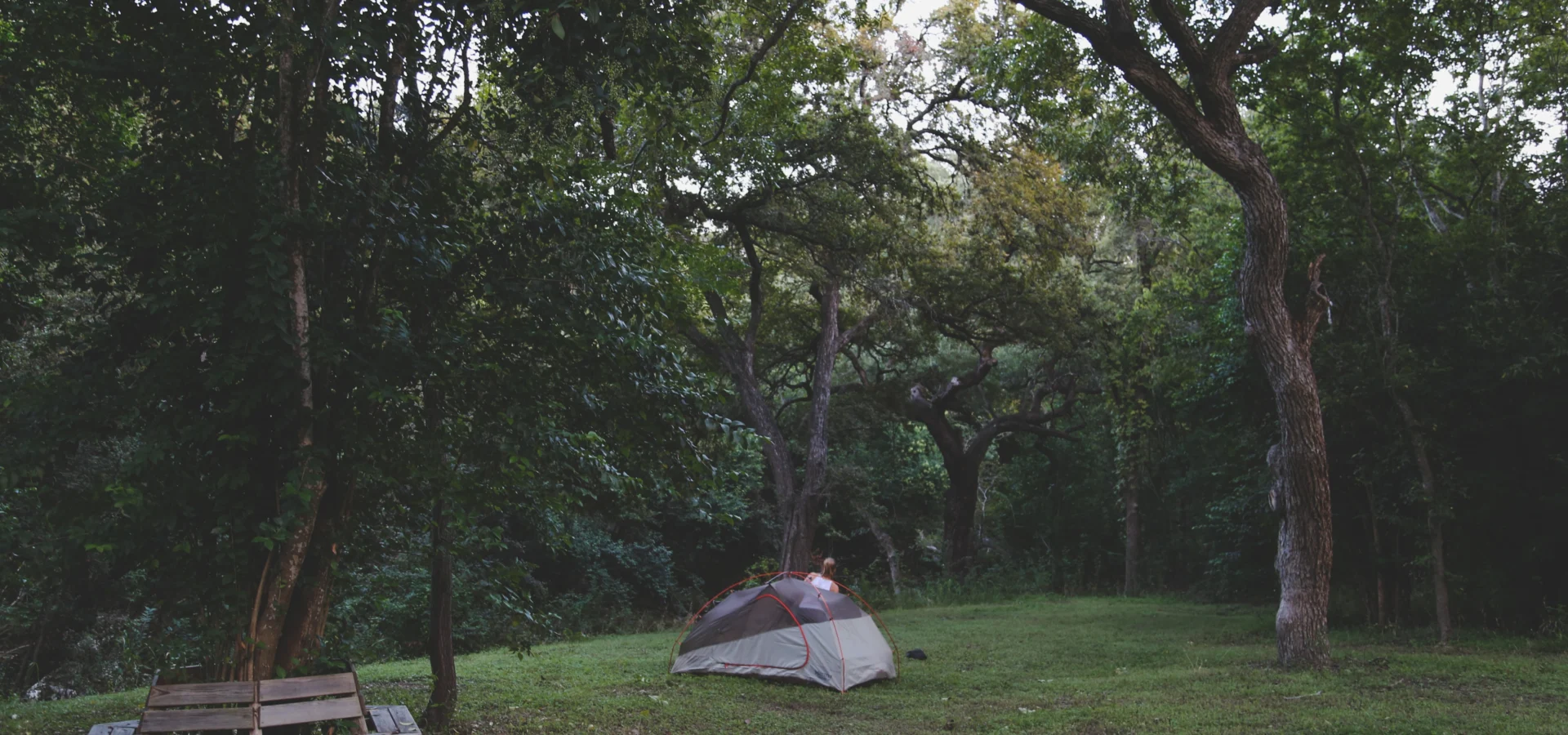
Campsites with water and electricity (book this one). There are 69 of them, each with a 30-amp electric hookup, water spigot, picnic table, lantern post, and fire ring with a grill. Restrooms with showers are in the camping loop. Sites hold up to 8 people and cost $20/night plus the park entry fee ($6/person per day, ages 13+). This is beginner-friendly camping: if you forget something or the weather turns, your car is right there.
Primitive hike-in sites (skip for now). These are in the backcountry Wolf Ridge area, a 2-to-3-mile hike from the trailhead — 4 to 6 miles round trip carrying everything on your back. No water, no electricity, chemical toilets, no pets, and no open fires. It’s a great experience after you’ve camped a few times. Not the first trip.
How to book: Reservations open 5 months ahead on the Texas State Parks reservation system. Weekend sites in spring and fall sell out fast — often the morning they open. Weekdays are far easier. Check the park’s alerts page before you pick dates, since the campground occasionally closes for construction. If your dates are flexible, a Sunday–Tuesday trip books easily even in peak season.
Step 2: Gear — What You Actually Need
Beginner camping lists run long. Here’s the honest minimum for a comfortable first trip at this park:
Sleeping:
– Tent (a basic 3-season dome tent is plenty — Hill Country weather is mild most of the year)
– Sleeping bag (a 30°F or lower rating covers fall through spring, since winter nights regularly drop to freezing; summer needs only a sheet)
– Sleeping pad — do not skip this. The ground here is compacted limestone soil. A $30 foam pad is the difference between sleeping and suffering.
– Pillow (just bring one from home)
Camp kitchen:
– Cooler with ice (the park sells ice if you run out)
– Propane camp stove and fuel — propane matters because during burn bans (common in summer), a propane or other containerized-fuel stove is the only cooking that’s still allowed
– One pot, one pan, utensils, plates, paper towels
– Water bottles — the spigot at your site covers refills
Comfort and safety:
– Camp chairs (the picnic table is fine, but chairs by the fire are the whole point)
– Headlamp or flashlight per person, plus batteries
– First aid basics, sunscreen, bug spray
– Trash bags — pack out what you bring
What you can skip as a beginner: fancy cook systems, camp furniture beyond chairs, water filters (you have a spigot), bear canisters (no bears here), and anything sold as “survival” gear.
Picking a good site: the loop is wooded and sites are well spaced, but shade varies. In camper reviews, sites 7, 8, 9, and 11 draw consistent praise for shade and privacy — worth grabbing if they’re open for your dates. The reservation map shows photos of many individual sites, so spend five minutes browsing before you book.
Step 3: Arrival and Setup
Arrive before dark. This is the #1 beginner rule. Setting up a tent you’ve never pitched, by headlamp, is a bad first memory. Gates are open 8am–10pm; aim to arrive by mid-afternoon.
Practice the tent once at home. Pitch it in the yard or living room before the trip. Ten minutes at home saves forty at the campsite.
Setup order that works: tent first (while there’s light), then bedding inside, then kitchen area on the picnic table, then chairs and firewood. Total time for a beginner: about an hour.
Firewood: Don’t gather wood in the park — it’s prohibited. Buy bundles in the park or close to it rather than hauling wood from home — Texas restricts some out-of-state wood and asks campers not to move firewood, because it spreads invasive pests. And check the burn ban status when you arrive; if a ban is on, wood and charcoal fires are off and only containerized-fuel stoves (like propane) are allowed, for cooking.
Step 4: Know the Two Texas-Specific Rules
Flash floods are the real danger here. The Pedernales River can rise several feet in minutes from rain that fell miles upstream — even under blue sky at the park. The campground loop sits safely away from the river, but when you’re down at the water: if you hear thunder, see the water turn muddy, or notice the level rising, leave immediately and get to high ground. Take this one seriously; it’s the park’s most important rule.
Heat is the second danger. June through September, daytime highs regularly reach the mid-90s and can top 100°F. Camp in those months only if your plan is: river all day, shade all afternoon, activity only at morning and evening. Bring double the water you think you need.
Step 5: What to Actually Do
You’re camping at one of the Hill Country’s best parks — here’s the beginner-friendly itinerary:
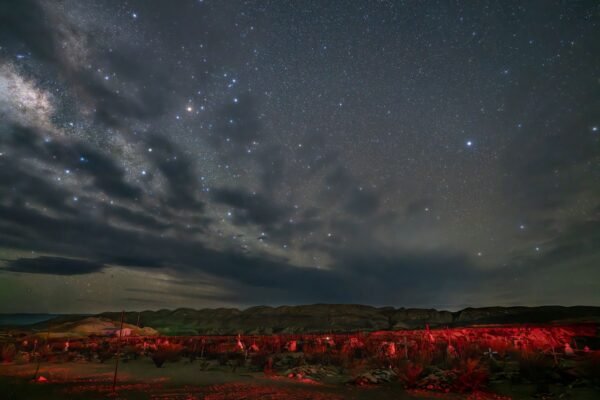
Day one: Arrive mid-afternoon, set up, short but steep walk down to the river near the campground, dinner at camp, first campfire (if there’s no burn ban), stars. The night sky here genuinely surprises first-timers — see our stargazing guide.
Day two: Morning at the falls overlook (drive over early, before crowds), then swimming at the designated swim area in the afternoon — our swimming guide covers where it’s safe and where it isn’t. Second night at camp.
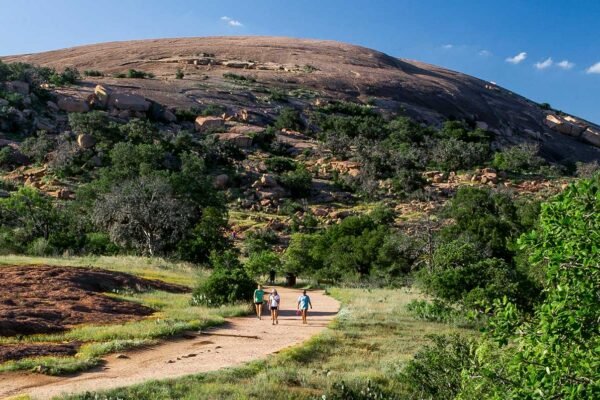
Day three: One short hike before checkout — Twin Falls Trail is the short classic (half a mile round trip, though rugged in spots) — then pack out. Full trail rundown in our hiking guide.
Common Beginner Mistakes at This Park
- Booking a summer weekend as your first trip. Start with spring, fall, or even winter — the weather does half the work for you.
- Skipping the sleeping pad. Mentioned twice because it’s the most-regretted omission.
- Expecting cell service. Coverage is famously poor in the park. Download offline maps, tell someone your plans, and enjoy the disconnection.
- Underestimating the entry fee math. Camping fee + $6/person/day adds up for families. A Texas State Parks Pass ($70/year) waives entry fees and pays for itself quickly if you’ll camp more than once.
- Arriving Friday at 7pm. The office closes at 4:30pm, so call ahead to ask about after-hours check-in. If you’ll arrive after the gates close at 10pm, you must call before 4:30pm for the gate code.
Your First-Trip Checklist
We built a free printable checklist covering all of this — packing, booking steps, safety reminders, and fees at a glance. Grab it here and you won’t forget the sleeping pad.
Related Reading
- The Complete Camping Guide — the full-depth version of everything above
- Park Fees, Hours & Need-to-Know Info
- Swimming at Pedernales Falls
How we research: compiled from official Texas Parks & Wildlife rules and USGS data, verified against the official park page as of October 2026.
This page contains affiliate links. We earn a small commission at no extra cost to you.